
Stories That Bring Circular Furniture and Upcycled Decor to Life

Today we dive into storytelling frameworks for circular furniture and upcycled decor, translating materials, makers, and measurable impact into narratives people remember. Expect practical structures, emotional cues, and credible proof you can apply immediately to product pages, campaigns, workshops, and community programs. Join in, ask questions, and share your own reclamation wins so we can refine and celebrate circular practices together.

Start With Purpose and Proof

Effective narratives for circular furniture and upcycled decor begin by connecting personal values with planetary outcomes, then backing every promise with specific evidence. Align why the piece exists, how it was saved or designed for cycles, and what changes because of it, so audiences feel invited, informed, and empowered to participate. Encourage readers to comment with their priorities, so you can reflect their language and deepen trust.

The Loop Narrative Framework

Use a circular storyline that mirrors your design approach: need, sourcing, making, use, maintenance, return, and re-entry. Reassure readers that nothing ends at ownership; stewardship continues through repairs, parts, and take-back programs. This structure makes circularity intuitive, repeatable, and inspiring without preaching or overwhelming detail. Encourage subscribers to test each stage and share feedback that improves clarity and flow.

From Need to Renewal

Begin with the situation a household faces—a cramped studio, a growing family, or a rented workspace—then show how the design solves it today while planning for tomorrow. Close the loop by revealing how components return, get refurbished, and find renewed use through modular engineering. Include timelines and checkpoints, then ask readers which milestones feel most reassuring or need clearer explanation.

Makers, Keepers, Returners

Give roles to everyone in the story. Makers craft, keepers live with and care for the piece, and returners handle take-backs. Naming these roles clarifies responsibilities, celebrates participation, and lowers anxiety about maintenance, helping buyers feel supported long after checkout or delivery. Invite communities to volunteer as local return coordinators, strengthening regional loops and faster refurb turnarounds.

The Transformation Arc
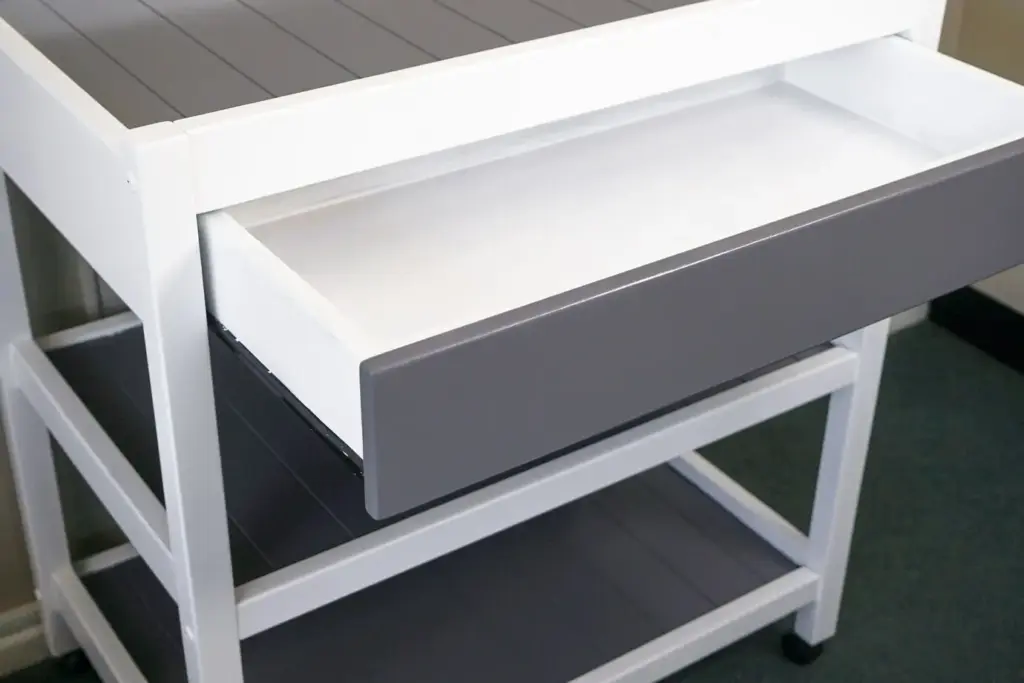
People love witnessing transformation. Share the moment you discover a weathered door, a dented metal frame, or surplus textile rolls, then dramatize decisions that protect character while improving performance. Contrast ruin with renewal, and anchor the change in craftsmanship, safety standards, and long-term service commitments. Invite readers to vote on finishes or hardware options that protect integrity while elevating daily usability.

Before: The Honest Flaw

Photograph scratches, sun-fading, or wobble with dignity, naming risks and potential. Honesty builds trust and invites readers to root for the piece. Describe how you evaluated structural integrity, preserved unique marks, and planned upgrades that would survive real households, pets, and busy shared spaces. Encourage comments on which imperfections feel charming versus distracting, shaping restoration choices transparently.

During: Hands, Tools, Care

Invite viewers into the workshop. Spotlight safe finishes, reversible joints, non-toxic adhesives, and clever jigs that allow future disassembly. Show mistakes, micro-decisions, and peer reviews. Process transparency reassures buyers that durability, health, and future adaptability were baked in, not improvised afterward. Ask followers to nominate tool libraries or training programs that can expand local repair capacity and skills.

After: A New Belonging

Reveal the renewed piece in context, styled for real life rather than perfection. Explain how replaceable parts, care kits, and repair tutorials keep the relationship alive. Invite owners to register their piece, earn refurbishment credits, and co-author the next chapter through returns or resales. Encourage photo submissions showing the item aging gracefully, capturing patina, memories, and evolving configurations.

Voice, Visuals, and Sensory Details

Make circular design feel warm and aspirational through word choice, pacing, and tactile cues. Balance poetic language with straight facts, mixing textures, close-ups, and scale shots. Aim for delight and clarity together, so readers feel informed while imagining how pieces will live with them. Invite critiques of captions and color grading to refine accessibility, contrast, and mood across platforms.

Transparent Numbers With Context

Publish carbon estimates alongside assumptions, ranges, and methods. Explain why reclaimed oak from a nearby barn may outperform imported FSC timber in this case, and where uncertainties remain. Context prevents cherry-picking, invites constructive scrutiny, and helps enthusiasts retell your story accurately across their communities. Provide downloadable summaries for educators and journalists to reuse responsibly.

Independent Validation and Community Proof

Blend recognized marks—like Cradle to Cradle levels or B Corporation standards—with customer testimonies that show furniture surviving moves, spills, and repairs. When inspectors and neighbors agree, doubt fades, and newcomers feel safe subscribing, commenting, and purchasing without fear of greenwash or fragile design. Invite long-term owners to share maintenance logs and photos, documenting real resilience.

Participation and Calls to Action

Great stories invite action. Offer workshops, lending libraries for tools, and convenient take-back kits. Encourage readers to subscribe for repair tips, share their before-and-after photos, and nominate local salvage sources. Momentum grows when people see clear next steps that fit ordinary schedules and budgets. Ask for volunteers to host neighborhood fix nights and material swaps.

Invite Making, Not Just Buying

Provide open patterns, spare parts, and finishing guides so households can customize without compromising future repairs. Celebrate small wins, like tightening a hinge or replacing a felt pad, alongside advanced projects. Participation accelerates loyalty, referrals, and returns, because people feel ownership over the ongoing lifecycle. Collect testimonials and short videos that teach others confidently.

Design Feedback Loops With Customers

Invite owners to report wear patterns, tricky assembly steps, or confusing care instructions. Close the loop by publishing revisions and shipping updated parts where possible. Turning feedback into tangible improvements demonstrates respect, lowers support costs, and supplies fresh stories that reward attentive readers and subscribers. Create quarterly review posts highlighting changes sparked by community input.

Stories That Travel Across Channels

Adapt the same narrative to a product page, email sequence, in-store signage, and a repair workshop script. Keep the spine intact—origin, craft, care, return—while compressing or expanding as needed. Consistency builds recognition, improves conversion, and encourages community members to amplify your message. Share templates and copy blocks so partners retell accurately and engagingly.
Hulufupoxurexukozoni
Privacy Overview

This website uses cookies so that we can provide you with the best user experience possible. Cookie information is stored in your browser and performs functions such as recognising you when you return to our website and helping our team to understand which sections of the website you find most interesting and useful.